CLEVELAND, Aug. 19, 2026 /PRNewswire/ -- The market for SOC 2 reports, the trust currency of the modern software economy, is repeating the mistakes that destroyed Arthur Andersen, according to a new analysis published by Jake Nix, Chief Growth Officer of cybersecurity and compliance firm RISCPoint®.
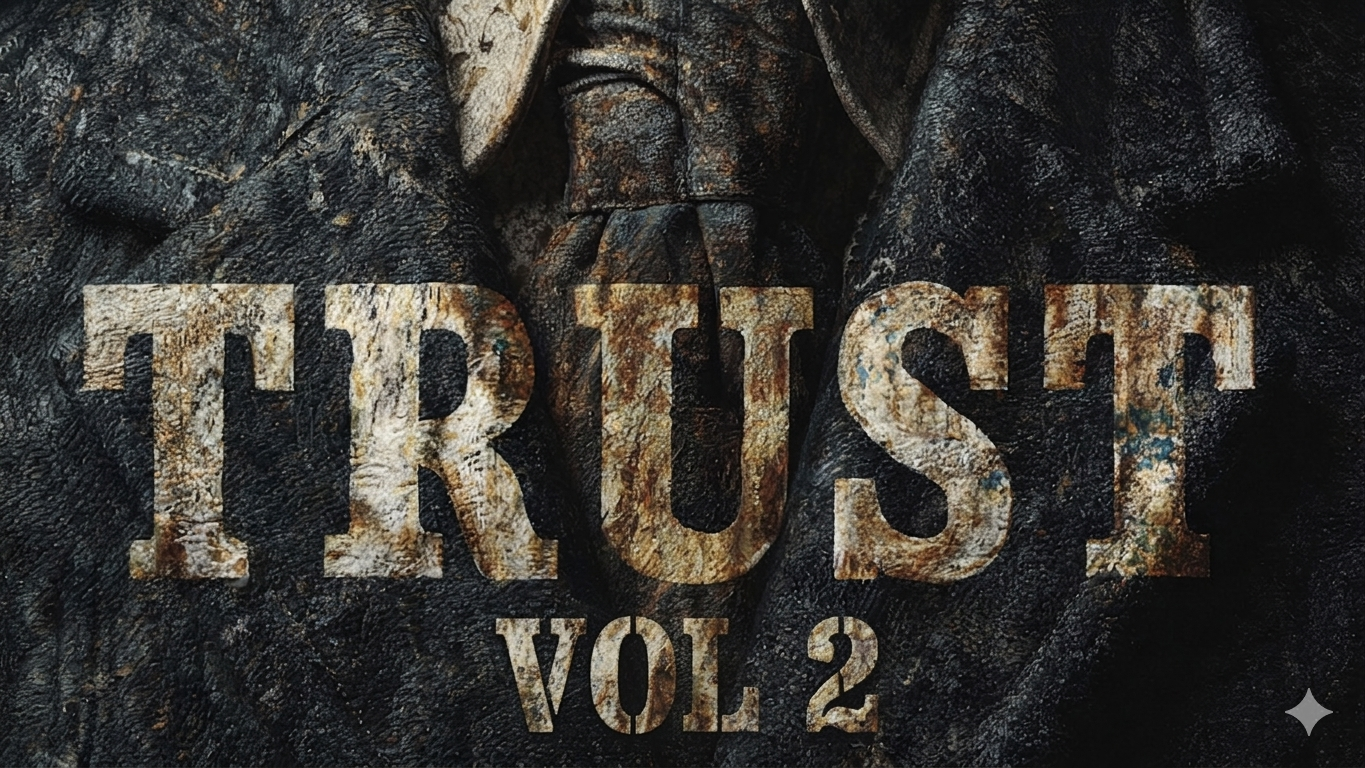
"We are not yet at Enron. But the warning bell is ringing," Nix writes in "SOC 2 Was Built to Carry Weight," the first installment of RISCPoint's new series, The Science of Trust. "For every CPA, it should be telling you to act or find a new profession, because ours is at mortal risk."
His target is the fast-growing wave of AI-enabled platforms promising a SOC 2 report in days, sometimes without a single conversation with anyone inside the organization being examined. Thousands of companies now buy and sell software on the strength of these reports. Nix, a 20-year veteran of the field who built control programs for some of the world's largest organizations at EY, argues that many are not worth the paper they are printed on.
"They Are Not Examining the Controls. They Are the Controls."
At the center of Nix's argument is a rule he calls non-negotiable: the CPA who signs a SOC 2 report cannot hold a financial interest in the tool that designed and implemented the controls being opined upon. Under the AICPA's Code of Professional Conduct, that conflict cannot be fixed with disclosures or firewalls. Yet a growing number of audit firms hold equity in the very GRC platforms that build their clients' control environments and hand the evidence package back to them for signature.
"The auditor has effectively stepped behind the desk of management," Nix writes. "They are not examining the controls. They are, in a meaningful sense, the controls."
The parallel to 2001 is deliberate. Arthur Andersen signed Enron's financial statements year after year while collecting lucrative consulting fees from the same client. When the fraud unraveled, more than 20,000 employees lost their jobs, shareholders lost tens of billions, and Congress responded with the Sarbanes-Oxley Act. "Enron did not destroy Arthur Andersen," Nix writes. "Arthur Andersen destroyed Arthur Andersen."
A Challenge to the Profession
Nix's prescription is pointed at his own profession rather than at regulators. "The answer is not more regulation. It is CPAs choosing to act like CPAs," he writes, calling on practitioners to walk away from work that compromises independence and to price engagements that reflect real effort and real judgment.
Stay Informed, Stay Secure
Subscribe to our newsletter and get the latest cybersecurity insights, updates, and event invitations delivered straight to your inbox. Join our community and empower your security journey with RISCPoint's expert knowledge.
Join our newsletter for updates. Terms.